Decoding 鲁Q 669fd: Understanding Vehicle Registrations in Context
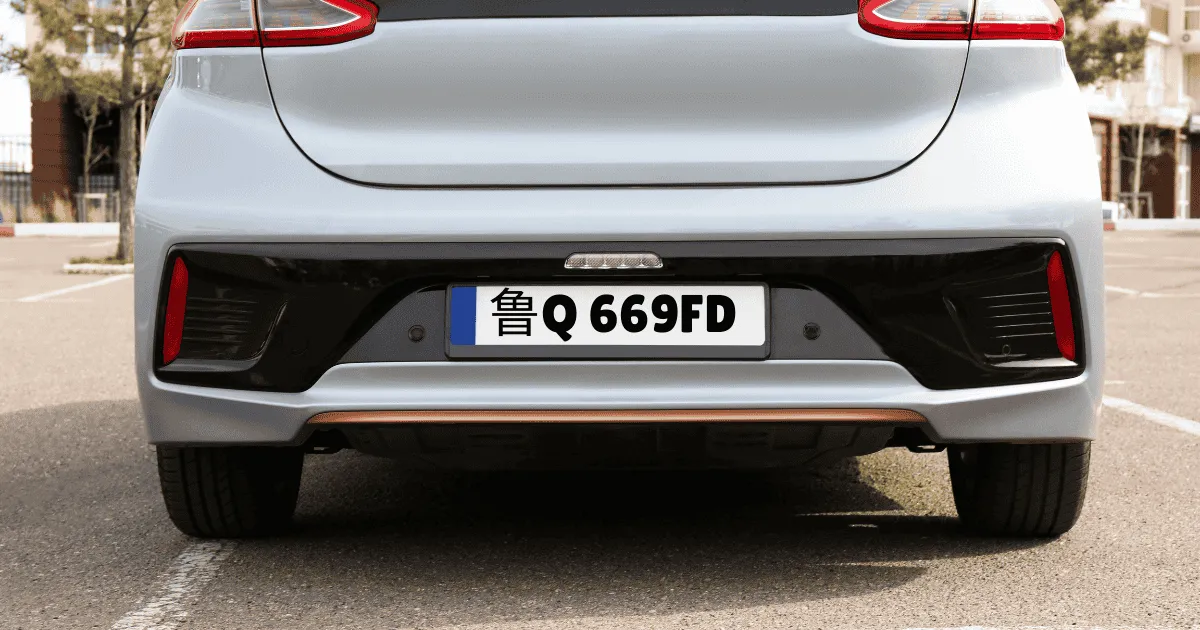
Vehicle registration numbers may look like a random mix of letters and digits, but in reality, they are carefully structured codes that reveal hidden information about a vehicle’s background. One such example is 鲁Q 669fd, which demonstrates how registration identifiers are much more than just legal requirements—they are tools for classification, safety, and order on the road.
In this blog, we will explore what such codes represent, why they matter, and how they help organize vehicle systems.
Origins
Every vehicle on the road needs to be recognized by a governing authority. That recognition comes in the form of a registration number. Systems like 鲁Q 669fd show that the code is not simply random—it originates from local administrative structures.
The first character often signals the region. In this case, “鲁” is a regional marker, used to signify a specific province. By including this, authorities instantly know where the car was first registered. Without such identifiers, managing millions of vehicles would be nearly impossible.
Structure
Looking at 鲁Q 669fd, we notice it combines letters and numbers. This structure is intentional:
- Prefix (鲁Q) – This portion indicates location and classification. The letter after the regional character typically narrows down the jurisdiction to a smaller administrative division.
- Numeric Sequence (669) – A number that distinguishes the vehicle from others in the same area.
- Suffix (fd) – The final two characters are unique markers to ensure no two registrations are identical.
The blend of letters and numbers allows for millions of unique combinations while still keeping them readable and manageable.
Function
Why do we need codes like 鲁Q 669fd? The answer lies in functionality:
- Identification – Police, insurance companies, and transport departments use them to confirm vehicle ownership.
- Classification – They help in distinguishing private vehicles, commercial fleets, and government cars.
- Accountability – In case of accidents or violations, the registration number links directly to the responsible party.
Thus, these sequences are not arbitrary—they are essential components of road governance.
Symbolism
Interestingly, registration numbers like 鲁Q 669fd also carry cultural and symbolic meanings. In some regions, specific numbers or letters are considered lucky or unlucky. Vehicle owners sometimes seek registrations that align with numerological beliefs. For instance, repeating digits or certain letter combinations are viewed as signs of prosperity.
While 鲁Q 669fd may seem ordinary, to the right observer, it could carry layers of meaning beyond administration.
Legal Role
A vehicle without a proper registration number is essentially invisible to the legal system. Authorities require numbers like 鲁Q 669fd for taxation, inspection, and enforcement. These identifiers ensure that vehicles contribute to road maintenance funds, follow safety rules, and can be traced in case of theft.
The legal significance cannot be understated. Without registration numbers, roads would descend into chaos where accountability becomes nearly impossible.
Regional Insight
The character 鲁 in 鲁Q 669fd reflects a provincial identity. Every province has its own unique prefix to maintain order in the national system. This approach allows for decentralization, giving local traffic bureaus control over their fleets while still being connected to the larger national database.
It also fosters a sense of identity. Drivers often recognize each other on highways by their regional prefixes, giving a subtle reminder of local belonging even in distant cities.
Practical Examples
Consider how a number like 鲁Q 669fd might be used in real-world scenarios:
- Law enforcement – A patrol officer spots a speeding car. The registration allows them to instantly pull up details.
- Insurance claims – After an accident, insurers use the number to verify ownership and policy details.
- Traffic management – Cities track vehicle counts through registered numbers to manage congestion and infrastructure planning.
Every step in modern mobility involves reliance on such identifiers.
Digital Integration
Today, codes like 鲁Q 669fd are no longer just painted on metal plates. They are integrated into digital systems:
- Databases store ownership records.
- Cameras read plates automatically for tolls or fines.
- Apps allow drivers to manage tax payments and insurance renewals using their registration number.
This integration bridges the gap between the physical vehicle and the virtual record, making processes more efficient.
Security
Another critical aspect of identifiers like 鲁Q 669fd is security. Fake or duplicated numbers pose a serious threat. Modern systems combat this by combining registration codes with embedded chips, QR codes, or holograms that make counterfeiting harder.
For drivers, carrying a unique and verifiable code ensures protection from fraud and safeguards their rights as vehicle owners.
Future
Looking ahead, identifiers like 鲁Q 669fd will likely evolve further. As electric and autonomous vehicles become more common, new forms of registration may appear. Smart plates that communicate directly with road infrastructure could replace the traditional static model.
Yet, the foundation remains the same: a structured identifier that connects the vehicle to its rightful place in the system.
Conclusion
What looks like a simple code—鲁Q 669fd—is in fact a complex and essential tool for mobility, order, and accountability. It connects vehicles to their owners, regions to their administrations, and individuals to the broader legal framework of transportation.
Whether on highways or in city streets, such identifiers quietly keep traffic systems organized. They tell us not only where a car comes from but also remind us of the unseen systems that make modern mobility possible.